
Tactical Misstep
When my daughter was born, I needed to find a game I could play while holding her. This meant a game with low activity and the ability to play with one hand. I decided on a game that had been in my backlog for a while: Fire Emblem: Engage. I knew going in it wasn’t the best in the franchise, but I figured I’d need to see for myself.
Fire Emblem has been a staple in Nintendo’s RPG lineup for years. The beautiful mashup of fantasy worlds, strategic turn-based gameplay, and anime dating simulator creates a fun and entertaining experience. We found out almost six months ago that the latest installment, Fortune’s Weave, was on the way. Will it be enough to make me shell out over $400 for a Switch 2 before its summer release? I don’t know. I’ll need to talk to my wife.
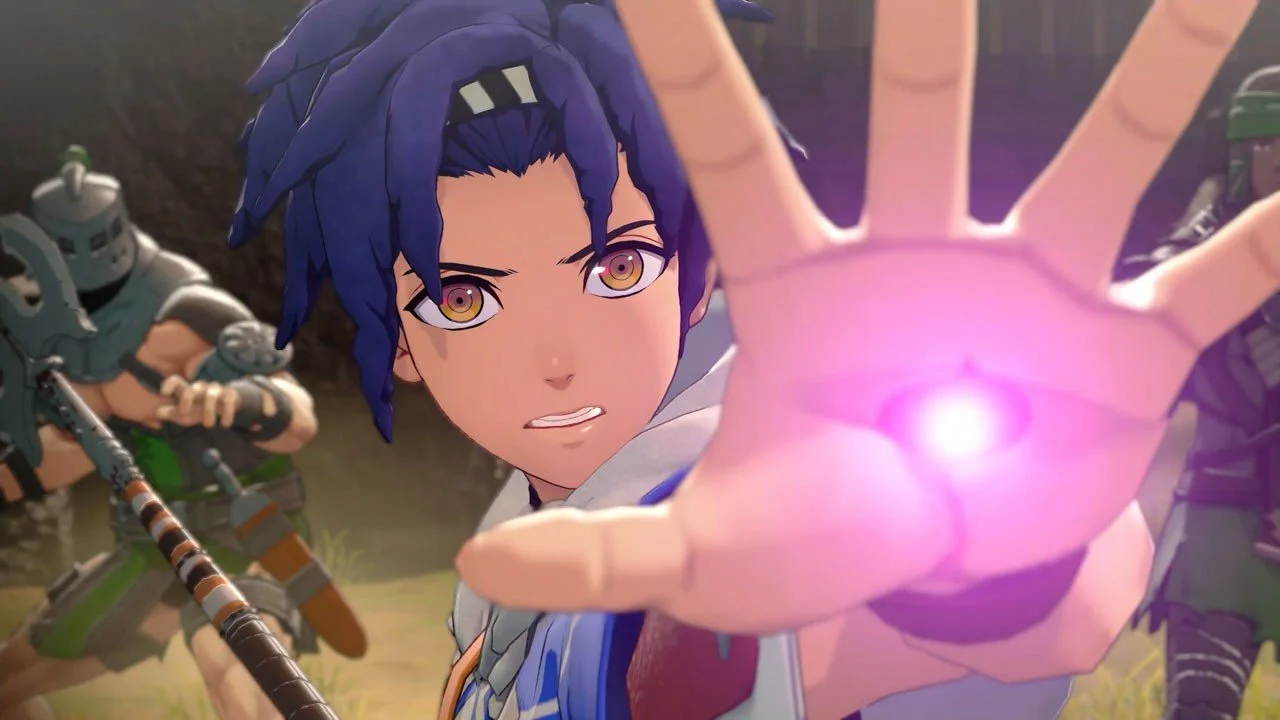
Playing through Engage, I’ve noticed an unfortunate trend in the last few entries in the series: When one game has a good mechanic, the next game makes it worse. This failure at reimplementation happens both mechanically and narratively. I can only speak on the games I’ve played myself, but this has happened enough that even I have noticed.
The Blazing Blade and The Sacred Stones
Not only were these the first two Fire Emblem games released in North America, these two are also the exception to the rule I’ve brought up, so we can use them as our standard for how to do things correctly.
The Blazing Blade (simply called Fire Emblem for the English release) introduced western audiences to the classic rock-paper-scissors strategy set to medieval anime. There were unique characters, perma-death, and only so many experience points to go around. Since Lyn, the first lord introduced in the story, was my favorite character, I always made sure she took out all the bosses to get her to max level the fastest.
One area I can say this game struggled with was in Support Conversations. These bits of bonus dialogue let characters bond and share more of their personal histories while also giving each other stat boosts during the main game. This was the dating sim aspect of the game because, at a high enough rank, certain characters would profess their love for each other and have a shared epilogue entry at the end. As a lowkey romance lover, I always ate these up.
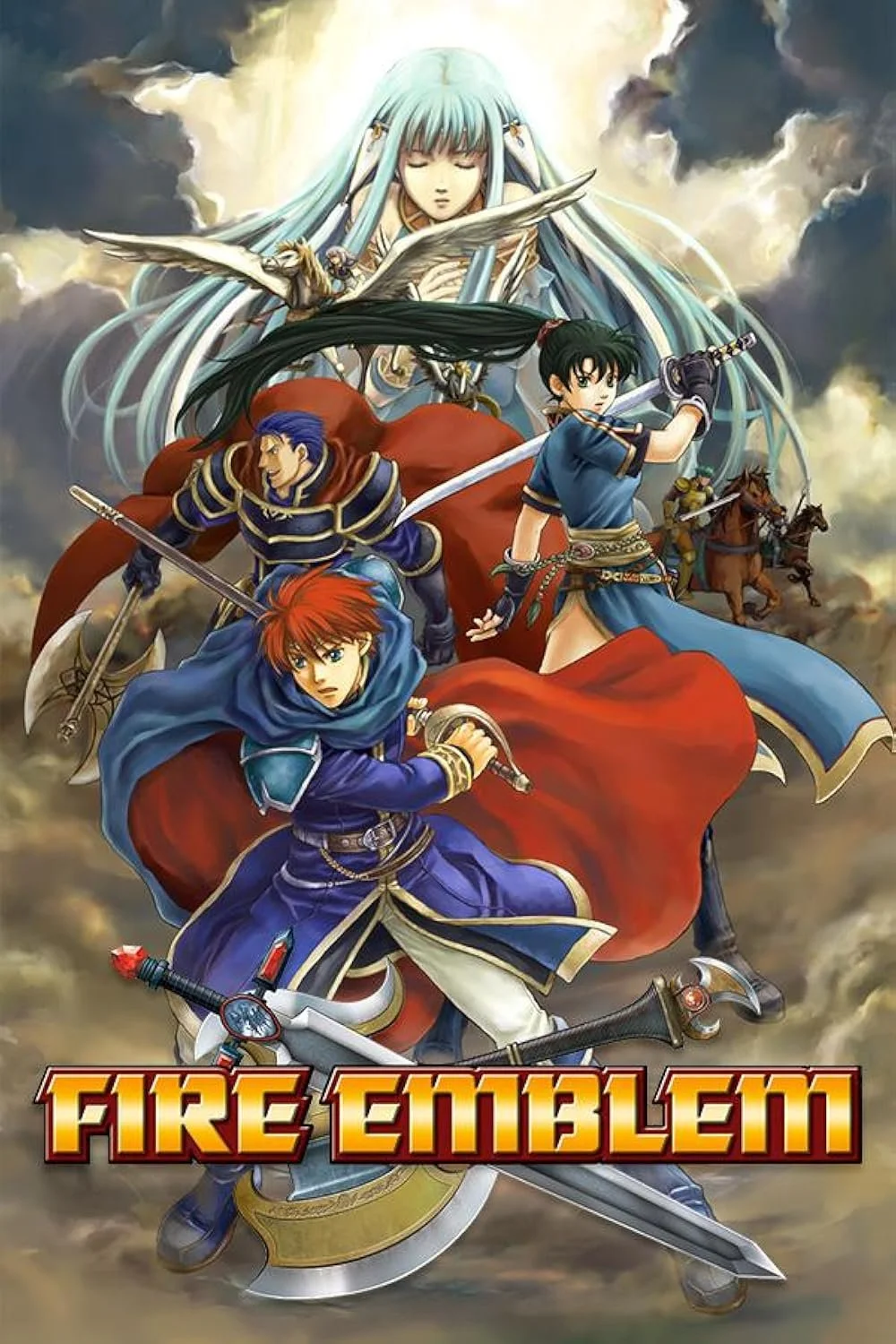
However, The Blazing Blade made unlocking these conversations difficult. You could only build characters’ bonds by having them fight adjacent to each other. With a limited number of levels and combat opportunities, it was tough to coordinate. Sometimes, one of the characters would be too low-level to survive. Certain characters didn’t even join your army until the last two levels of the game!
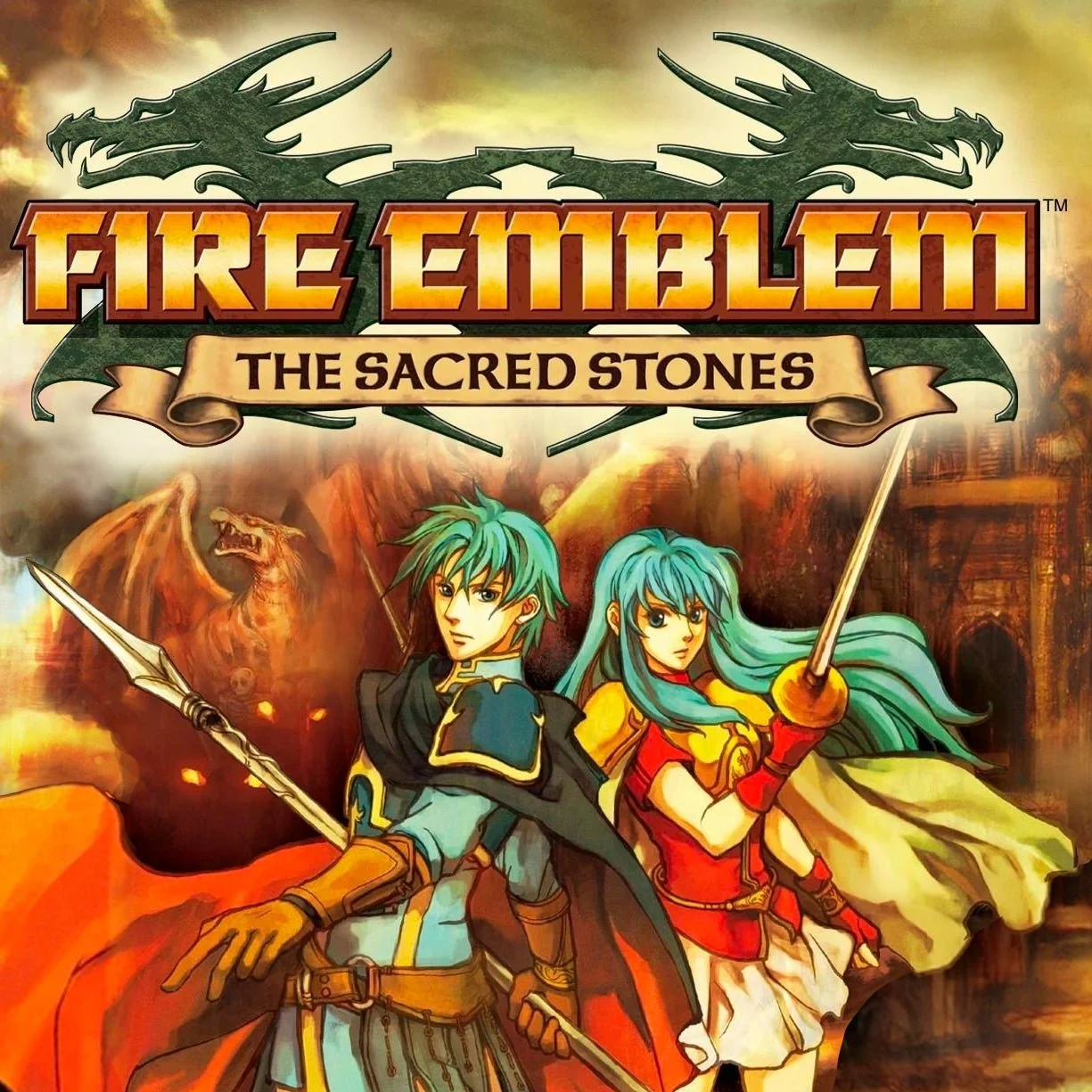
The next game in the series, The Sacred Stones, took the first steps to remedy that. Along with job promotion options (which we’ll look at in later entries), this game introduced Skirmishes, random monster encounters that appeared on previous areas of the map. These provided opportunities to both strengthen weaker units and build up Support Conversations. I don’t remember seeing this feature in the next game I played (Radiant Dawn), but it most certainly returned in the two we’ll talk about next. Unfortunately, this is where the fumbles begin.
Awakening and Fates
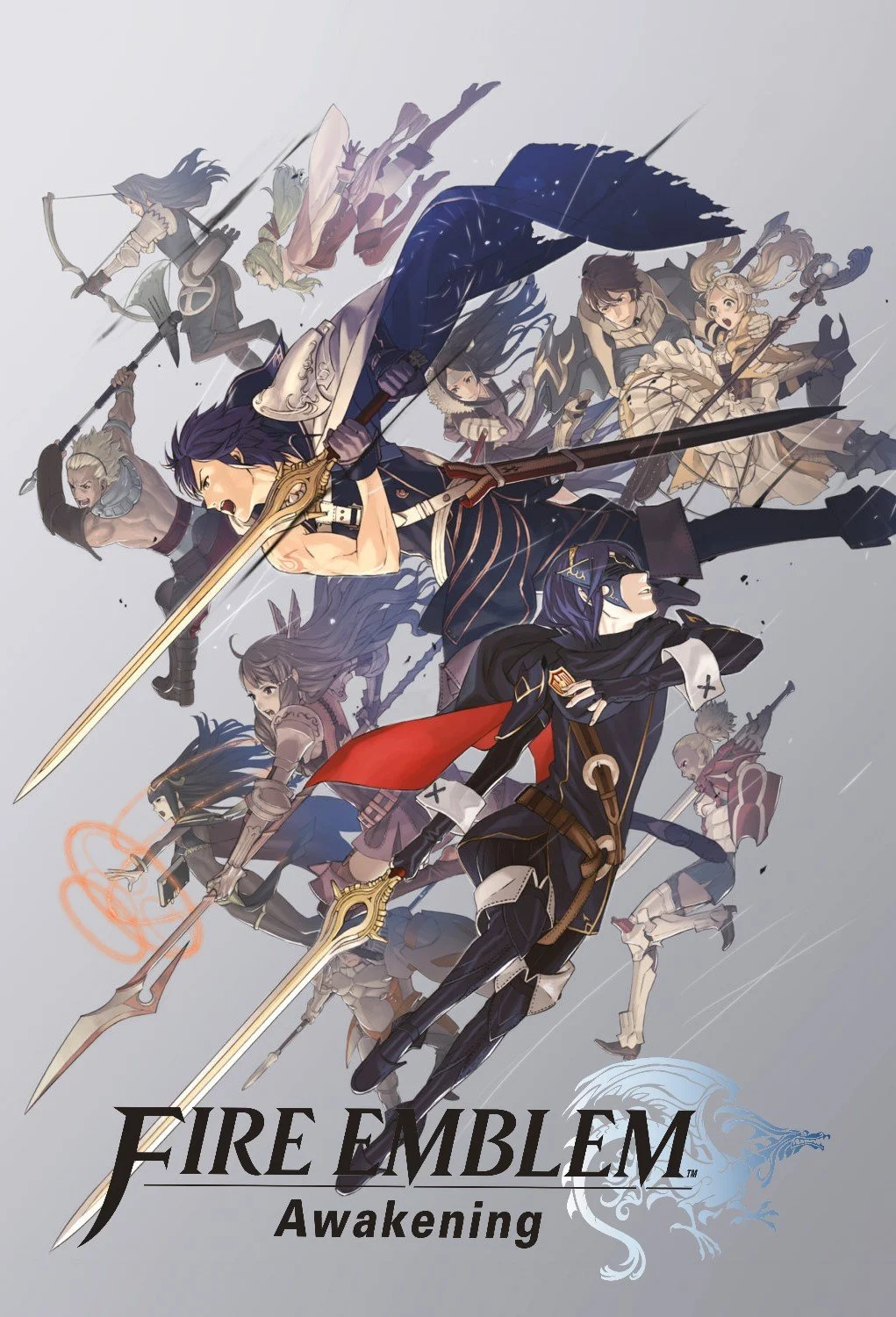
Debuting on the 3DS, Fire Emblem: Awakening was one of the best entries in the franchise. The story was engaging, the gameplay and graphics were good, and there was so much more player freedom compared to previous games. Skirmishes returned, weapons lost their usage counters, and the Pair Up mechanic made training and unlocking Support Conversations so much easier.
Support Conversations and job promotion options had a narrative importance, too. Awakening’s story featured a bit of time travel. When two characters from the present reached their maximum bond, their child from the future arrived to aid them. These kids would inherit one skill from each parent. Depending on the parents’ jobs, you could give their future progeny skill combinations they could never unlock on their own.
Fates came next, and it, too, featured the inheritance system. If two characters became an item, their child would join the team. With more classes and more unique skills, the combinations were extreme. However, while Awakening had the element of time travel, Fates had branching storylines as its main draw. How could they justify kids’ arrival?
Their answer: pocket dimensions called Deeprealms.
Once born, the kids would be placed in these pocket dimensions for protection. Time would flow differently there than in the real world. By the time they formally join your army, they would have reached their mid to late teens.
This premise did not land as well as time travel. Aside from the traumatic disconnect between a parent who thought they visited daily and a child who saw them once a year, the Deeprealm concept was not well established. Outside of the player’s personal fort, Deeprealms were not a strong feature in the story. It felt like they forced the idea just to keep the inheritance system in play, but all it did was leave a bad taste in our mouths.
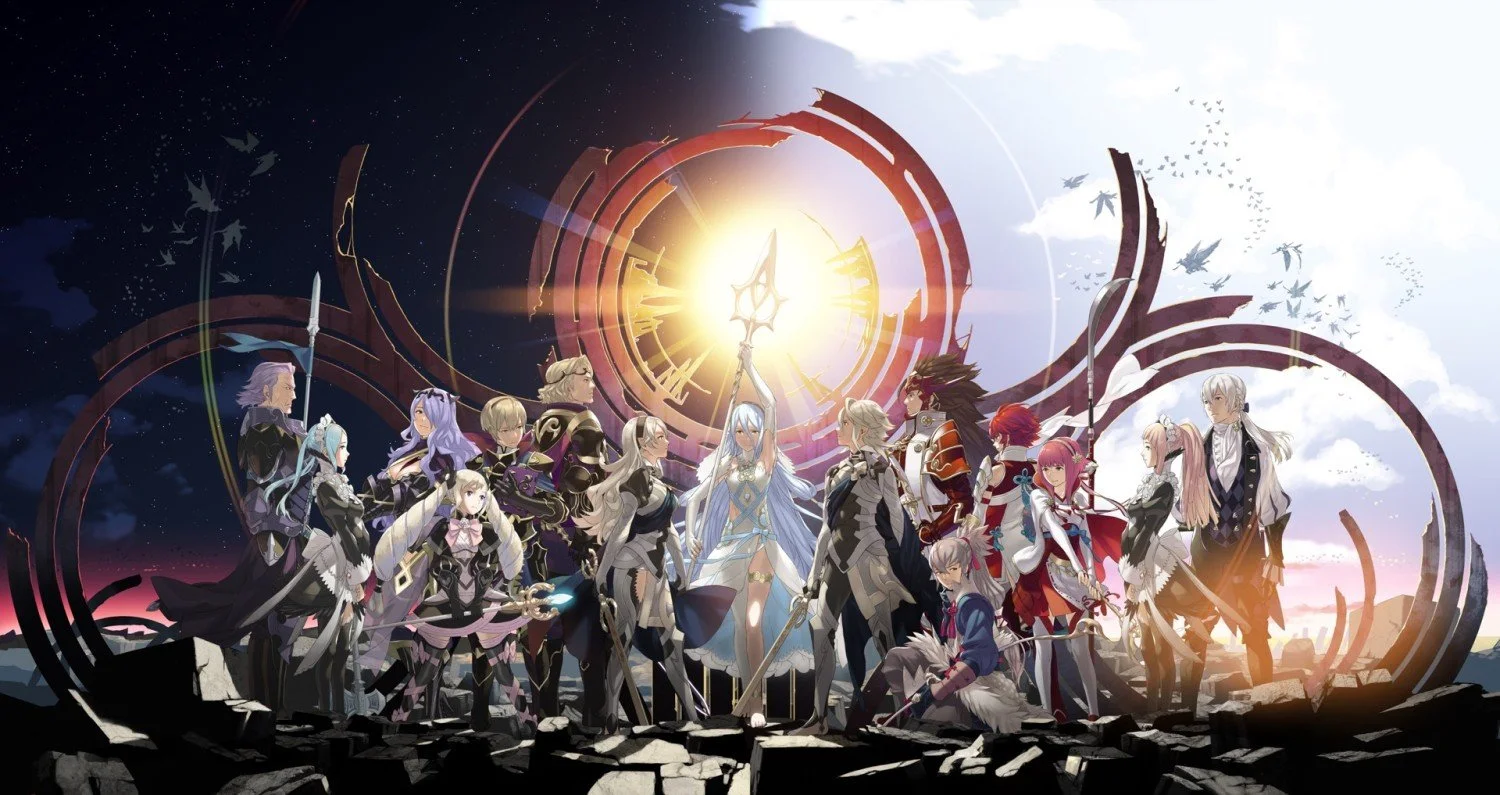
The inheritance system was a great mechanic, but it only worked with the proper narrative justification. Time travel: perfect. Pocket dimensions: not. The next two games we’ll discuss also had some sequel problems, but while the inheritance system failed narratively, the next set failed mechanically.
Three Houses and Engage
Fire Emblem: Three Houses was the next big winner in the series. Centered on a mercenary-turned-professor at a school for nobles and officers, it featured a robust roster of characters, multiple story paths, and a well developed world. The two features from this game I would like to focus on are the Home Base and Skills.
In between combat levels, players could run around the school as a sort of home base. This allowed you to do multiple things, including…
Train characters to learn new skills and promote to new classes (more on that later)
Pair characters up to complete assignments or share meals and unlock Support Conversations
Collect lost items around the base and return them to their owners
Skills worked differently here, too. They fell into three categories: Personal, Class, and Standard. Every character had a Personal skill unique to them. Class skills were bound to specific jobs, but they did not carry over when jobs changed. Standard skills, which units gained through classroom lessons, did carry over and could be swapped around for unique combinations.
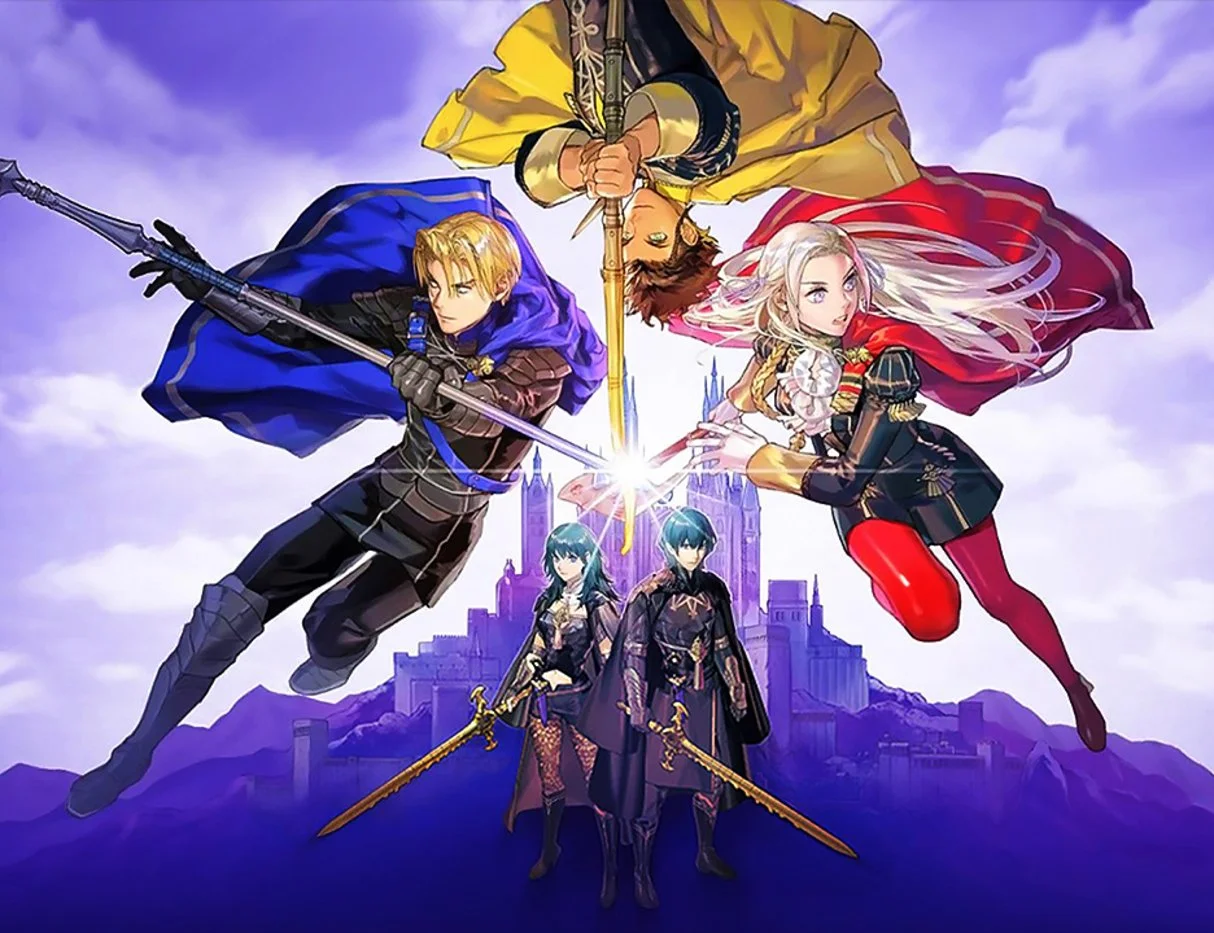
These features carried over to Engage, but they were not as successful as before.
For the Home Base feature, a positive change was that the “lost items” showed up on the mini-map, making them easier to find. The pair-up activities and the shared meals were about the same, making bonding outside of combat much easier. However, they added a bunch of minigames, including fishing, exercising, and a shooting range. While these provided small bonuses and items, the rewards were not very substantial. Yes, part of my bias against the minigames was that I had trouble playing them while holding a sleeping baby (the button-mashing woke her up), but after a while, they just felt tedious, like unnecessary busy-work that kept me away from the actual game and story. More often than not, I skipped them entirely.
Earning Skills was different, too. Units still had their Personal skills, and class skills still did not carry over. However, the Standard skills were obtained by training with entities called Emblems, bonding with them over time and inheriting skills from them. In order to level up bonds with Emblems, you would either need to let them battle with characters or spar with them using a point pool shared between all characters. After that, units would need to accrue personal skill points to then inherit the skills made available to them. These complicated hoops made it harder to develop and create meaningful skill combinations.
Hopes for Fortune’s Weave
We’ve covered all the fumbles in the Fire Emblem franchise thus far. Now, what features from the past can we hope will be implemented, and properly improved, in the upcoming Fortune’s Weave?
I can certainly see skirmishes returning in some shape or form. If I could make one edit, it would be to add some sort of manual leveling scaler. In previous games, the skirmish enemies would scale up based on where you were in the story. If you didn’t pace yourself, they’d get too strong for your lower-level units to survive. You’d almost be forced to use the shiny new characters instead of the ones you already grew attached to. Being able to adjust the skirmish difficulty would make training easier. Fortune’s Weave seems to be set in a massive coliseum. Maybe they could base each bout on individual units instead of the entire army.
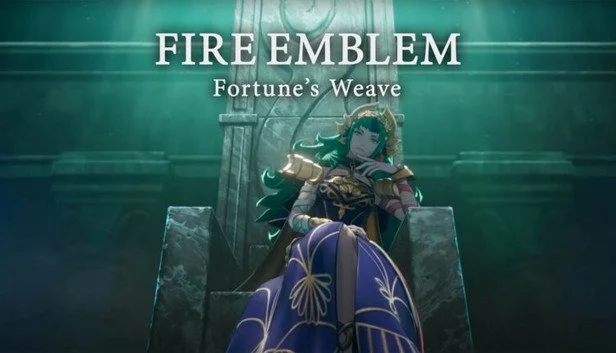
The inheritance system, awesome as it was, proved to be difficult to implement without time travel. However, Fortune’s Weave may have a way to bring it back. At the end of the reveal trailer last year, we saw the adult form of Sothis, a childlike, reborn goddess we met in Three Houses. These two entries are in the same world. The only question is, will Fortune’s Weave be a prequel or a sequel? Either one could create opportunities for a revamped inheritance system.
As for the home base, this could use some scaling down. Paired activities and training sessions can stay. Lost items and minigames, however, need to go. These activities are time wasters, taking us away from the core game with pitiful rewards as the only incentive. Sometimes, less is more.
I’d say the same goes for learning skills, but instead of dialing back what Engage did, I suggest going all the way back to Awakening’s system. Yes, this would prevent you from banking a ton of different skills, but once you knew which ones you wanted, all you’d need to do was level up specific classes, and those skills would be yours.
We have a lot to look forward to with Fortune’s Weave’s release. Will they break their implementation cycle, or start it anew? We’ll have to wait and see.